
About Us
Champions for the Great Cats and Their Habitats
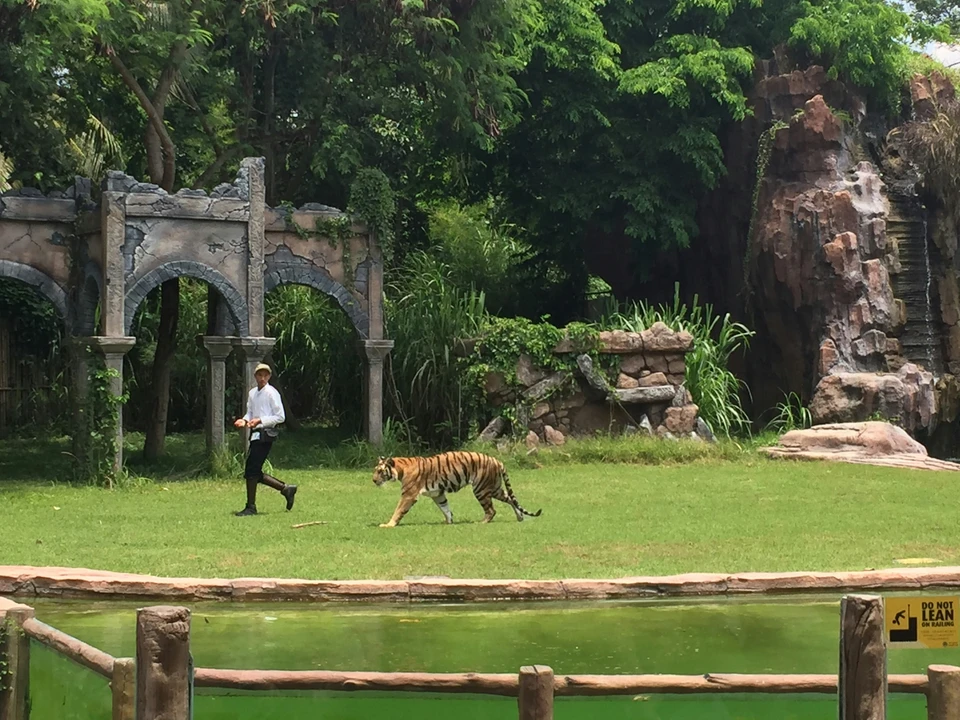
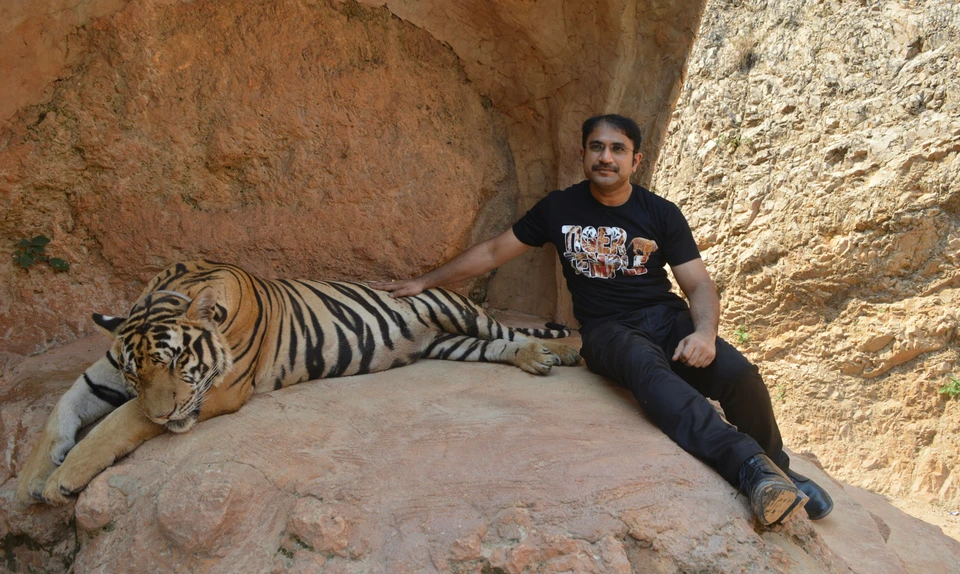
The Center for Tiger Conservation (CFTC) is an international non-governmental organization headquartered in Herndon, Virginia, dedicated to the long-term survival of tiger populations in the wild. Since our inception, we have served as a bridge between scientific research and community action, recognizing that the survival of the tiger depends on both rigorous data and human empathy. Our organization operates across several tiger-range countries, providing the infrastructure and expertise necessary to manage protected areas and mitigate human-wildlife conflict. We are comprised of biologists, educators, and conservationists who share a singular vision: a world where tigers are no longer on the brink of extinction. Our work is supported by a global network of donors and volunteers who believe that the loss of the tiger would be an unimaginable blow to our global heritage. Through transparency, persistence, and a deep love for the natural world, we strive to be the most effective voice for the voiceless, ensuring that the ecological systems that support both tigers and people are protected for centuries to come.
Educational Philosophy
Conservation Through Understanding
Our educational philosophy is rooted in the concept of “Conservation Through Understanding,” which posits that people are most likely to protect what they truly comprehend and value. We believe that conservation education should be immersive, interdisciplinary, and accessible to individuals of all ages, from primary school students to corporate leaders. By blending biological science with social studies and ethics, we provide a holistic view of the challenges facing apex predators today. We move beyond simple facts and figures to explore the complex relationships between economic development, indigenous rights, and biodiversity. Our programs are designed to inspire critical thinking and foster a sense of global citizenship, encouraging participants to see themselves as stewards of the earth. We use storytelling, field observations, and interactive technology to bring the world of the tiger to life, creating emotional connections that lead to lifelong advocacy. For us, education is not just about imparting knowledge; it is about igniting a passion for the natural world that translates into measurable conservation action and a permanent shift in how we interact with our environment.
What Makes the Organization Unique
Blending Advanced Technology with Heartfelt Community Advocacy
What truly sets the Center for Tiger Conservation apart is our unique ability to bridge the gap between high-level scientific research and local community empowerment. While many organizations focus solely on the biological aspects of conservation, we recognize that the people living alongside tigers are the most important stakeholders in their survival. Our unique model involves integrating local communities into every step of the conservation process, from data collection and habitat restoration to the development of sustainable eco-tourism initiatives that provide a viable alternative to poaching. Furthermore, our commitment to transparency and scientific integrity ensures that every dollar donated is utilized for maximum impact. We maintain an agile organizational structure that allows us to respond rapidly to emerging threats, such as sudden outbreaks of disease or new poaching hotspots. This combination of scientific rigor, community-led action, and operational flexibility makes us a distinct and highly effective leader in the global movement to save the tiger.
Our Story
From a Grassroots Vision to International Conservation Powerhouse
The Center for Tiger Conservation (CFTC) is an international non-governmental organization headquartered in Herndon, Virginia, dedicated to the long-term survival of tiger populations in the wild. Since our inception, we have served as a bridge between scientific research and community action, recognizing that the survival of the tiger depends on both rigorous data and human empathy. Our organization operates across several tiger-range countries, providing the infrastructure and expertise necessary to manage protected areas and mitigate human-wildlife conflict. We are comprised of biologists, educators, and conservationists who share a singular vision: a world where tigers are no longer on the brink of extinction. Our work is supported by a global network of donors and volunteers who believe that the loss of the tiger would be an unimaginable blow to our global heritage. Through transparency, persistence, and a deep love for the natural world, we strive to be the most effective voice for the voiceless, ensuring that the ecological systems that support both tigers and people are protected for centuries to come.
What We Do
A Comprehensive Strategy for Apex Predator Protection and Habitat Security
Our program overview encompasses a diverse array of initiatives designed to address the multifaceted threats facing tiger populations today. At the core of our work is the Habitat Security Program, which focuses on the acquisition, restoration, and permanent protection of critical tiger landscapes. We work tirelessly to remove invasive species, reforest degraded areas, and establish buffer zones that minimize human-wildlife conflict. Complementing this is our rigorous Scientific Monitoring Program, where our teams use camera traps, drone surveys, and fecal DNA analysis to track tiger health and population trends with unprecedented accuracy. We also operate a sophisticated Anti-Poaching Task Force that works in close collaboration with local law enforcement to disrupt illegal wildlife trade networks. By integrating these various programs, we create a holistic defense system that protects the tiger from the moment of birth through its entire lifecycle, ensuring that the ecological niche of this apex predator remains secure within the broader forest ecosystem.

Our Mission
Join us in our mission to conserve and protect the majestic tiger

Our Vision: A Future Where the Tiger’s Roar Echoes Through Infinite and Healthy Wild Landscapes
The vision of the Center for Tiger Conservation is to see a world where tiger populations are not only stabilized but are flourishing in expansive, interconnected habitats that allow for natural genetic flow and evolutionary resilience. We imagine a future where the tiger is no longer a symbol of what we are losing, but a testament to what we can save through collective will and scientific innovation. In this future, the presence of the tiger serves as a definitive indicator of a healthy planet, where forests are vibrant, water sources are pure, and biodiversity is celebrated as the foundation of all life. We strive for a world where human communities live in harmony with these magnificent creatures, viewing them not as threats, but as vital guardians of the ecosystems that sustain us all. This vision guides every decision we make, pushing us to look beyond immediate crises toward long-term, sustainable solutions that will endure for centuries.

Our Values: Integrity Science and Compassion as the Pillars of Effective Conservation
Our values are the bedrock of everything we do at the Center for Tiger Conservation. We believe in Scientific Integrity, ensuring that all our actions are guided by the best available data and peer-reviewed research. We operate with absolute Transparency, holding ourselves accountable to our donors, partners, and the communities we serve by providing clear and honest reporting on our progress and challenges. We are driven by a spirit of Collaboration, recognizing that no single organization can save the tiger alone and that our strength lies in our partnerships with governments, local people, and other NGOs. Above all, we are guided by Compassion, a deep-seated respect for the intrinsic value of every individual tiger and the right of all species to exist and thrive in their natural environment. These values ensure that our work is not only effective but also ethical, reflecting the highest standards of human responsibility toward the natural world.

Our Impact: Quantifiable Successes in Population Recovery and Habitat Restoration
The impact of the Center for Tiger Conservation can be measured in the tangible recovery of tiger populations and the restoration of thousands of acres of critical habitat. Since our inception, we have seen a significant increase in tiger numbers within our primary project areas, a direct result of our intensive protection and habitat management efforts. We have successfully secured legal protection for vast tracts of land that were previously at risk of development, creating safe havens for tigers and the countless other species that share their home. Our community programs have resulted in a dramatic reduction in human-tiger conflict, leading to a shift in local attitudes from fear to stewardship. Beyond the numbers, our impact is seen in the global policy shifts we have influenced, advocating for stronger international laws against poaching and the illegal wildlife trade. Every tiger born in a protected forest and every acre of land saved from destruction is a testament to the effectiveness of our model and the dedication of our supporters.
Our Team
Guiding forces behind our mission

Dr. Elizabeth Sterling Executive Director and Lead Conservation Scientist
Dr. Elizabeth Sterling has dedicated over twenty-five years to the study and preservation of apex predators, with a specific focus on the social structures and migratory patterns of tigers. Holding a Doctorate in Wildlife Biology from Oxford University, she has published dozens of peer-reviewed papers that have fundamentally changed our understanding of how tigers interact with their environment. As our Executive Director, Dr. Sterling combines her deep scientific expertise with a warm and approachable leadership style, ensuring that the organization remains both rigorous and heart-centered. She is a frequent speaker at international conservation forums and serves as a consultant to several governments on wildlife policy. Her caring approach is evident in her commitment to mentoring the next generation of conservationists, always making time to guide our junior researchers and field staff. Dr. Sterling believes that conservation is as much about people as it is about animals, and she works tirelessly to ensure that our team feels supported and inspired in their vital work.

Marcus Thorne
Director of Field Operations and Anti-Poaching
Marcus Thorne brings a unique blend of tactical expertise and ecological passion to his role as Director of Field Operations. With a background in environmental law enforcement and over fifteen years of experience managing remote field stations, Marcus is responsible for the safety of our rangers and the security of the tiger habitats we monitor. He is known for his calm demeanor under pressure and his exceptional ability to build trust with local communities in high-conflict areas. Marcus oversees the implementation of our advanced tracking technologies and coordinates our response to poaching threats with precision and integrity. His caring approach is most visible in the way he treats his field teams, prioritizing their well-being and professional development above all else. He understands that our rangers are the first line of defense for the tiger, and he ensures they have the training, equipment, and emotional support they need to succeed in their challenging and often dangerous roles.

Sarah J. Miller
Community Engagement and Education Coordinator
Sarah J. Miller is the driving force behind our efforts to involve local communities and the global public in our conservation mission. With a Master’s degree in Environmental Education and a background in social work, Sarah specializes in creating programs that are culturally sensitive and highly engaging. She spends much of her time in the field, working directly with village elders and schoolteachers to develop educational curricula that celebrate the tiger as a local treasure. Sarah is known for her infectious enthusiasm and her ability to connect with people from all walks of life, from rural farmers to corporate donors. Her caring approach ensures that every community member feels heard and valued, fostering a sense of shared ownership in our conservation successes. Sarah believes that when people feel empowered and respected, they naturally become the fiercest protectors of their environment, and she has dedicated her career to making that empowerment a reality.

Dr. Rajesh Gupta
Head of Habitat Restoration and Ecology
Dr. Rajesh Gupta is a world-renowned expert in tropical forest ecology and habitat restoration, overseeing our efforts to rebuild the landscapes tigers need to survive. With a PhD in Ecology and extensive experience working in some of the most biodiverse regions of the world, Dr. Gupta brings a wealth of technical knowledge to our restoration projects. He is responsible for designing our reforestation strategies, managing invasive species removal, and monitoring the health of the prey species that tigers rely on. Dr. Gupta is highly respected for his meticulous attention to detail and his commitment to using native species in all our planting efforts. His caring approach is reflected in his deep respect for the land and the traditional knowledge of the people who live on it. He works closely with local botanical experts to ensure that our restoration efforts are both scientifically sound and culturally appropriate, creating healthy, resilient ecosystems that will sustain wildlife and humans for centuries.
Our Work
Empowering Global Citizens Through Science and Storytelling
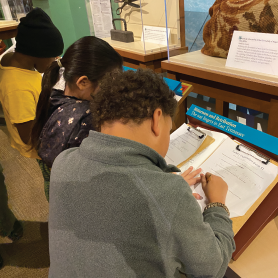
Education is the cornerstone of our long-term strategy at the Center for Tiger Conservation. We believe that by providing people with a deep understanding of the tiger’s role in the ecosystem, we can build a global movement that is resilient enough to withstand the pressures of economic development. Our education programs are designed to be multi-generational, reaching everyone from primary school children to senior policy makers. We use a variety of tools, including interactive virtual reality tours of tiger habitats, detailed scientific reports, and compelling documentary films, to bring the beauty and the plight of the tiger into the hearts and minds of people everywhere. In local communities, we provide vocational training that equips residents with the skills they need for sustainable livelihoods, ensuring that education leads directly to economic empowerment. By fostering a culture of lifelong learning and environmental stewardship, we are creating a world where the protection of wildlife is seen not as a luxury, but as an essential part of a thriving society.
Play & Exploration
Natural Instincts and the Importance of Enrichment in the Wild
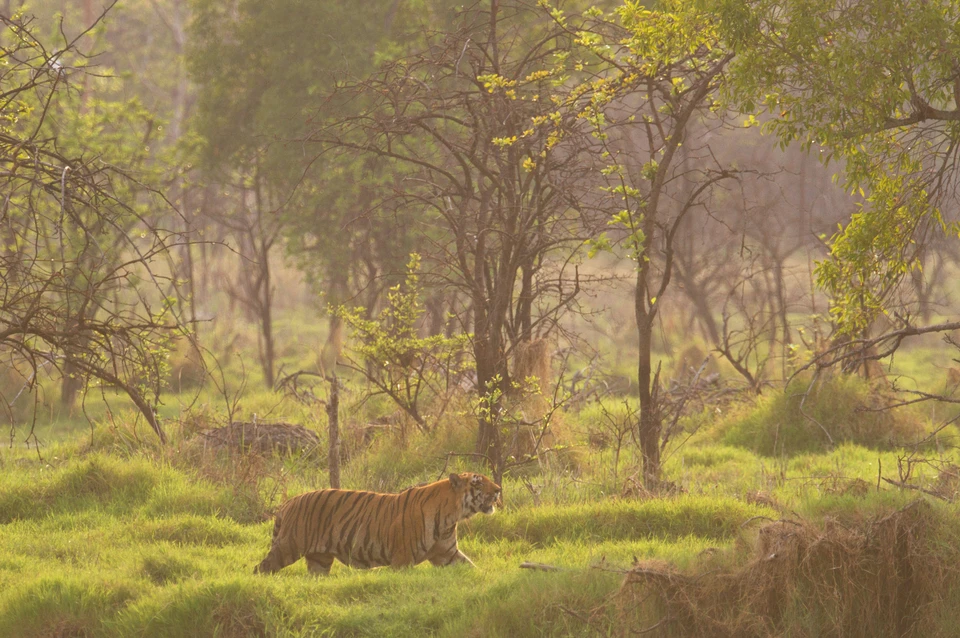
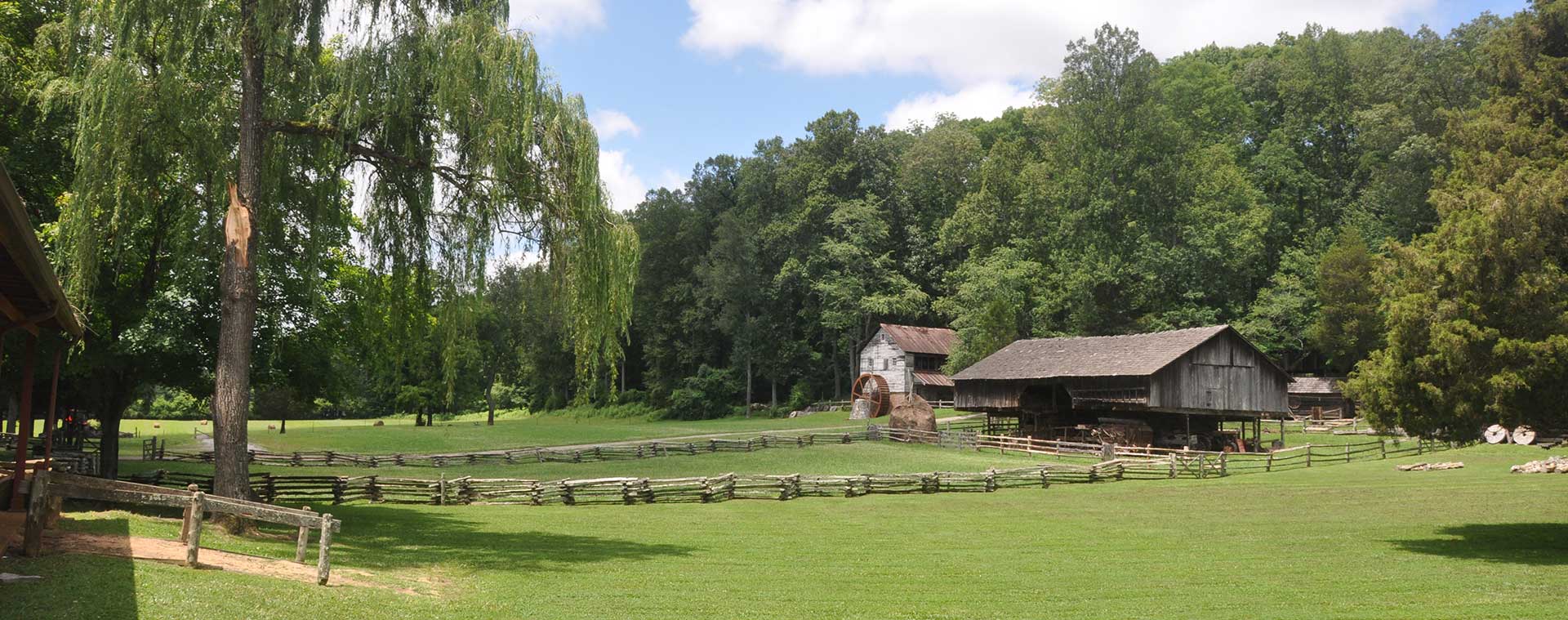
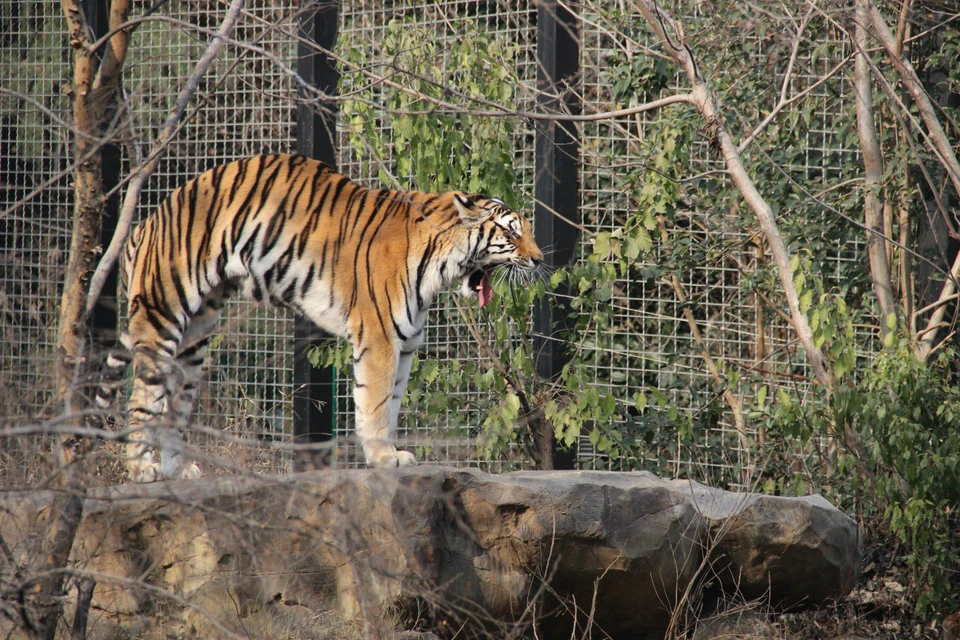
In the context of tiger conservation, “Play & Exploration” refers to the vital behaviors that young tigers must master to survive and that adult tigers use to maintain their physical and mental health. Our work in habitat restoration is specifically designed to provide tigers with the complex, varied environments they need to engage in these natural behaviors. We ensure that our protected areas include diverse topography, from dense thickets for stalking to open water for swimming and cooling off. By protecting large, contiguous tracts of land, we allow tigers the space they need to explore, establish territories, and find mates, which are essential components of their social and biological well-being. We also monitor the play behaviors of cubs through our camera trap network, as these activities are critical indicators of the health and vitality of the next generation. Our approach recognizes that a tiger is not just a biological machine, but a sentient being with a need for a stimulating and safe environment where it can express its full range of natural instincts.
Social & Emotional Development
Understanding the Complex Inner Lives of Tigers and Their Families
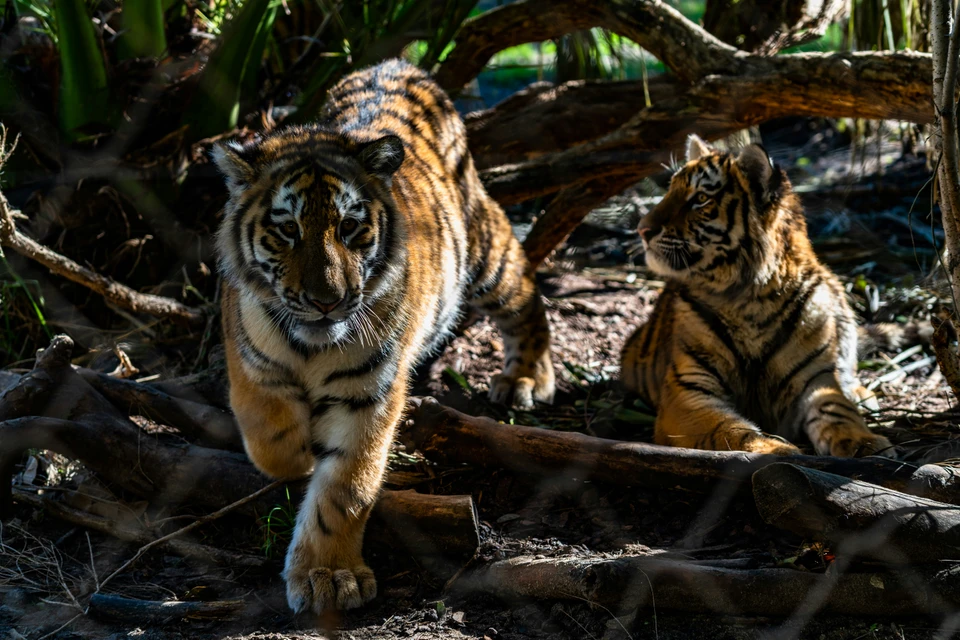
Tigers are often thought of as solitary creatures, but our research at the Center for Tiger Conservation has revealed a much more complex and nuanced social and emotional life. We monitor the long-term bonds between mothers and their cubs, documenting the essential lessons in hunting and survival that are passed down through generations. We also study the social dynamics between resident males and the females whose territories they overlap, gaining insights into how these relationships contribute to the stability of the population. Understanding the emotional development of tigers is crucial for our conservation efforts, as stress and social disruption can have profound impacts on their reproductive success and overall health. By minimizing human disturbance in core habitats, we allow these social structures to remain intact, ensuring that tigers can raise their young in a stable and supportive environment. Our work honors the individual personality of every tiger we track, recognizing that their social and emotional well-being is just as important as their physical survival.
Programs/Services
Tailored Conservation Engagement from Youth to Professional Level
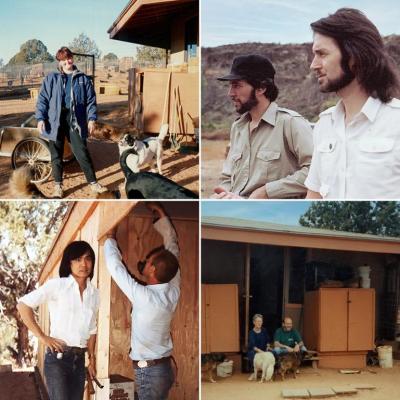
The Center for Tiger Conservation offers a wide range of programs tailored to meet the needs of different age groups and professional backgrounds. For children and adolescents, we offer our “Junior Rangers” program, which uses gamified learning and outdoor exploration to spark a lifelong interest in wildlife and conservation. For university students and early-career professionals, we provide intensive field fellowships and research grants that offer hands-on experience in wildlife biology and conservation management. We also offer specialized programs for adults and seniors, including “Citizen Science” expeditions and conservation-focused travel opportunities that allow participants to contribute directly to our field work. By providing meaningful engagement opportunities at every stage of life, we ensure that the message of tiger conservation is passed from one generation to the next, building a permanent and growing community of advocates who are committed to our mission.
Community & Engagement
Family Involvement
Building a Legacy of Stewardship Within the Home
We believe that the fight to save the tiger begins in the home, and our family involvement programs are designed to make conservation a shared family value. We offer “Family Field Days” where parents and children can participate together in habitat restoration projects and wildlife tracking workshops. We also provide a wealth of digital resources, including “Home Conservation Toolkits” and family-friendly webinars, that make it easy for families to learn about tigers and take action from their own living rooms. By involving the whole family, we ensure that the passion for wildlife is nurtured from a young age and supported by the most important people in a child’s life. This intergenerational approach creates a strong foundation of stewardship that will last a lifetime, fostering a new generation of families who are committed to making choices that benefit the natural world.
Testimonials
Words of our exprience users
The Center for Tiger Conservation has changed the way our family thinks about the natural world. My son, who is in the Junior Ranger program, has become so passionate about biodiversity and protecting animal habitats. It is incredible to see a ten-year-old so informed and motivated to make a difference. We feel so lucky to be part of such a caring and professional community that truly walks the talk. The Thompson Family (Junior Ranger Program)
As a donor and a lifelong wildlife enthusiast, I have been deeply impressed by the transparency and scientific rigor of this organization. I have visited their field sites and seen firsthand the incredible dedication of their rangers and researchers. They are not just saving tigers; they are rebuilding entire ecosystems and empowering local people. This is conservation done right. Robert Henderson (Conservation Patron)
Participating in the Citizen Science expedition was a life-changing experience for me. Being in the field with world-class biologists and seeing a tiger in the wild for the first time is something I will never forget. The team at the Center for Tiger Conservation is so knowledgeable and passionate, and they made me feel like my contribution really mattered. I came home with a new sense of purpose. Sarah Jenkins (Citizen Science Participant)
Our school has been using the Center’s educational curriculum for three years now, and the results have been phenomenal. Our students are more engaged with science and more aware of global environmental issues. The materials are top-notch and the support from the education team has been exceptional. They are truly shaping the next generation of environmental leaders. Principal David Wu (Partner School)
Our volunteer
Be the Change You Wish to See in the Wild
Volunteering with the Center for Tiger Conservation is an opportunity to put your passion into action and make a tangible difference in the survival of one of the world’s most magnificent species. We believe that everyone has a unique set of skills and perspectives that can contribute to our mission, whether you are a scientist, an artist, a writer, or simply someone who cares deeply about the natural world. When you volunteer with us, you become an integral part of a dedicated team that is working on the front lines of one of the most important conservation challenges of our time. You will gain valuable experience, meet like-minded individuals, and know that your efforts are directly contributing to the protection of tigers and the restoration of the forests they call home. Volunteering is a powerful way to connect with your community and the natural world, providing a sense of purpose and fulfillment that comes from knowing you are part of something larger than yourself.


Ways to Help
A Diverse Array of Opportunities to Contribute Your Time and Talent
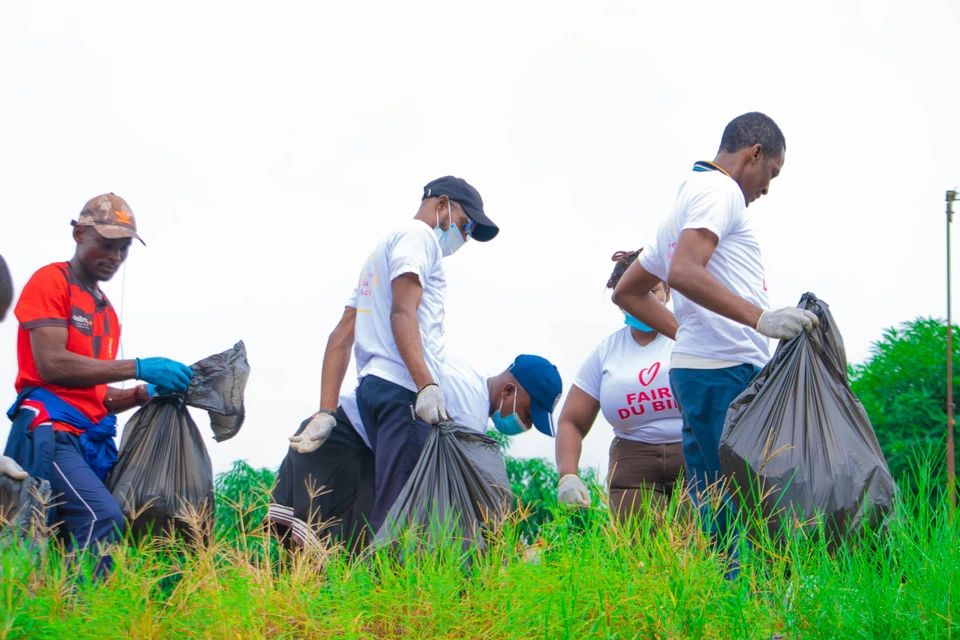
There are countless ways to help the Center for Tiger Conservation, ranging from remote digital tasks to hands-on field work. If you have a background in data analysis or GIS, you can help our researchers process field data and map tiger movements. If you are a gifted communicator, you can assist our outreach team with social media, blog writing, or community presentations. For those who prefer to be outdoors, we offer local volunteer opportunities in habitat restoration, such as tree planting and invasive species removal. We also need volunteers to help coordinate our events, assist with administrative tasks in our offices, and represent us at local community fairs. No matter where you are located or how much time you have to give, there is a place for you in our volunteer program. We provide all the training and support you need to be successful, ensuring that your volunteer experience is both productive and rewarding.
Impact of Volunteering
The Ripple Effect of Individual Action on Global Conservation
The impact of our volunteers cannot be overstated; they are the engine that drives our organization and allows us to achieve so much more than we could alone. Every hour spent analyzing data, every tree planted in a degraded forest, and every person reached through an outreach event contributes directly to our mission. Our volunteers help us to keep our administrative costs low, ensuring that more of every donation goes directly to on-the-ground conservation work. Beyond the immediate tasks, our volunteers serve as powerful ambassadors for the tiger, sharing their passion and knowledge with their own networks and inspiring others to take action. This ripple effect of individual action is what builds a global movement, creating the political and social will necessary to secure a permanent future for the tiger. When you volunteer with the Center for Tiger Conservation, you are not just helping an organization; you are helping to save a species and the planet we all share.

Frequently Asked Questions
Be the Change You Wish to See in the Wild
How can I enroll in your sponsorship programs?
Enrolling in our sponsorship programs is a simple and rewarding process that can be completed directly through our website. We offer several levels of sponsorship, from “Tiger Guardian” to “Habitat Protector,” each providing unique benefits and regular updates on the specific tigers or project areas you are supporting. Once you choose your sponsorship level, you will receive a welcome packet with detailed information about our work and how your contribution is being used. Many of our supporters choose to enroll as a way to honor a loved one or celebrate a special occasion, and we provide beautiful digital or physical certificates for these gift sponsorships. Your enrollment is more than just a donation; it is a commitment to the long-term survival of the tiger, and we are honored to have you as part of our conservation family.
Is it safe for field teams to work in tiger habitats?
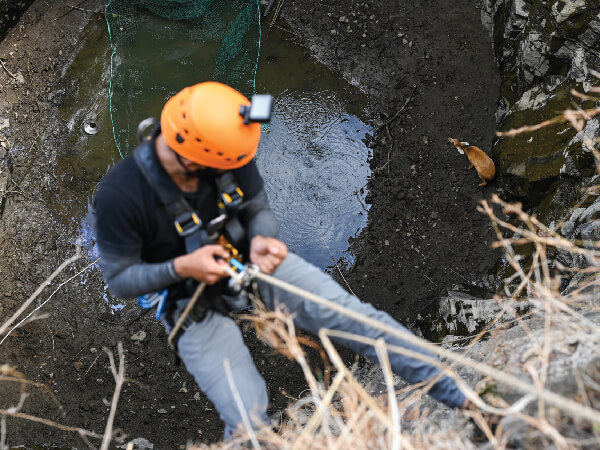
The safety of our field teams is our absolute highest priority, and we have rigorous protocols in place to ensure their well-being in the wild. Our rangers and biologists undergo extensive training in wildlife behavior, first aid, and emergency response before they are allowed to work in remote areas. We utilize advanced communication equipment, including satellite phones and GPS trackers, to maintain constant contact with our field stations. Furthermore, our teams always work in pairs or larger groups, and they are equipped with non-lethal deterrents to manage any close encounters with wildlife. We also work closely with local communities and forest departments to stay informed about any potential security risks, such as poaching activity or illegal logging. While working in the wild always carries some inherent risk, our decades of experience and commitment to safety ensure that our teams are as protected as possible.
What does the educational curriculum cover?
Our educational curriculum is a comprehensive and interdisciplinary framework designed to provide a deep understanding of tiger conservation and environmental stewardship. It covers a wide range of topics, including the biological characteristics of tigers, the mechanics of the ecosystems they inhabit, and the complex socioeconomic factors that drive poaching and habitat loss. We also include modules on the history of conservation, the importance of biodiversity, and the latest scientific techniques used to track and protect wildlife. The curriculum is designed to be engaging and interactive, using case studies, data analysis exercises, and creative projects to help students apply what they have learned. We offer different versions of the curriculum tailored for various age groups, from primary school to university level, ensuring that the content is always age-appropriate and intellectually stimulating.
How are meals and logistics handled during field expeditions?
During our field expeditions and citizen science trips, all meals and logistics are carefully managed by our experienced operations team to ensure a comfortable and safe experience for everyone involved. We prioritize the use of locally sourced, fresh ingredients, and our field cooks are skilled at preparing nutritious and delicious meals that cater to a variety of dietary needs. Logistics, including transportation to remote sites, tented camps or field station accommodations, and all necessary equipment, are handled by our staff. We aim to minimize our environmental footprint during these expeditions, using sustainable practices such as solar power and waste reduction. Our goal is to provide an immersive experience that allows participants to focus entirely on the conservation work and the beauty of the natural world, knowing that all their basic needs are being professionally managed.
What is the daily schedule for a field researcher?
A field researcher’s day typically begins before dawn, as this is one of the most active times for wildlife. After a quick breakfast and a safety briefing, the team heads out into the forest to check camera traps, record sightings, and collect biological samples. This work often involves trekking through challenging terrain and can last for several hours. The middle of the day is often spent at the field station, where researchers enter data, process samples, and maintain their equipment. In the late afternoon, there may be another round of field observations or community meetings. Evenings are spent reviewing the day’s findings, planning for the next day, and sharing stories over dinner. It is a demanding but incredibly rewarding schedule that requires physical stamina, scientific precision, and a deep passion for the work.
How can parents get involved with their children?
Parents can get involved in a variety of ways, ranging from participating in our “Family Field Days” to using our at-home educational resources. We encourage parents to explore our website with their children, watch our documentary films together, and discuss the importance of wildlife conservation. Many families choose to start their own local fundraising projects or participate in our community events as a team. We also offer a “Junior Ranger” program that parents can support by helping their children complete various conservation-themed challenges. By modeling an interest in nature and a commitment to action, parents can play a crucial role in nurturing their children’s own passion for the environment. We believe that conservation is a lifelong journey, and we love seeing families embark on that journey together.
Contact Us
Multiple Contact Methods
Reach Out to Our Global Conservation Network
We believe that open communication is essential for a successful conservation movement, and we provide multiple ways for you to get in touch with our team. Whether you have a question about our programs, want to learn more about volunteer opportunities, or are interested in making a significant contribution to our mission, we are here to help. You can reach us by phone during our regular business hours, or you can send us an email at any time. We also maintain an active presence on several social media platforms, where you can send us direct messages and stay up to date on our latest news and events. For those who prefer traditional mail, our headquarters address in Herndon, Virginia, is always open for correspondence. No matter how you choose to reach out, you can expect a prompt and professional response from a team member who is as passionate about tiger conservation as you are.
Join Us/Work With Us
Career Opportunities
Building a Profession Around Passion and Scientific Excellence
A career at the Center for Tiger Conservation is more than just a job; it is a calling to be part of one of the most important conservation movements of our time. we are always looking for talented, dedicated individuals to join our team, from field biologists and policy experts to communications specialists and administrative professionals. Our staff members are the heart and soul of our organization, and we are committed to providing a supportive and stimulating environment where you can grow both personally and professionally. We offer a variety of roles across our international field sites and our Virginia headquarters, providing opportunities for both seasoned experts and early-career professionals. When you work with us, you are joining a community of like-minded individuals who are driven by a shared mission and a deep respect for the natural world. We invite you to explore our current openings and discover how you can use your skills to help save the majestic tiger.